Among the wines of Rioja, Crianza Rioja represents one of the most approachable and widely enjoyed styles. Offering a balance of fresh fruit and gentle oak ageing, Rioja Crianza wines provide an excellent introduction to the region while still reflecting the traditions that make Rioja one of the world’s most respected wine regions.
For many wine drinkers, Rioja Crianza sits at the sweet spot between youthful fruitiness and the more complex, mature character found in Reserva and Gran Reserva wines. It is versatile, food-friendly, and often outstanding value.
This guide explains what Rioja Crianza means, how it is made, and why it continues to be one of the most popular styles of Spanish wine available in the UK.
What Does “Crianza” Mean in Rioja?
In Rioja, the term Crianza refers to a legally defined ageing category rather than a specific grape variety or vineyard location. The classification system used in Rioja is designed to communicate how long a wine has been aged before release. This ageing process, particularly in oak barrels, is a defining characteristic of the region.
For a red wine to be labelled Rioja Crianza, it must be aged for:
- Minimum 2 years total ageing
- At least 12 months in oak barrels
After barrel ageing, the wine continues to mature in bottle before being released to market.
This ageing requirement ensures that Rioja Crianza wines develop subtle oak influence while retaining vibrant fruit character.
Rioja’s Ageing Classification System
To understand Rioja Crianza fully, it helps to place it within the broader ageing structure used in the region.
Typical Rioja classifications include:
- Crianza – minimum 2 years ageing (including 1 year in oak)
- Reserva – minimum 3 years ageing
- Gran Reserva – minimum 5 years ageing
Crianza wines therefore represent the youngest oak-aged style in the traditional Rioja hierarchy, offering a fresher and more fruit-driven expression of the region.
Many producers release Crianza wines as their flagship everyday bottling.
The Grapes Used in Rioja Crianza
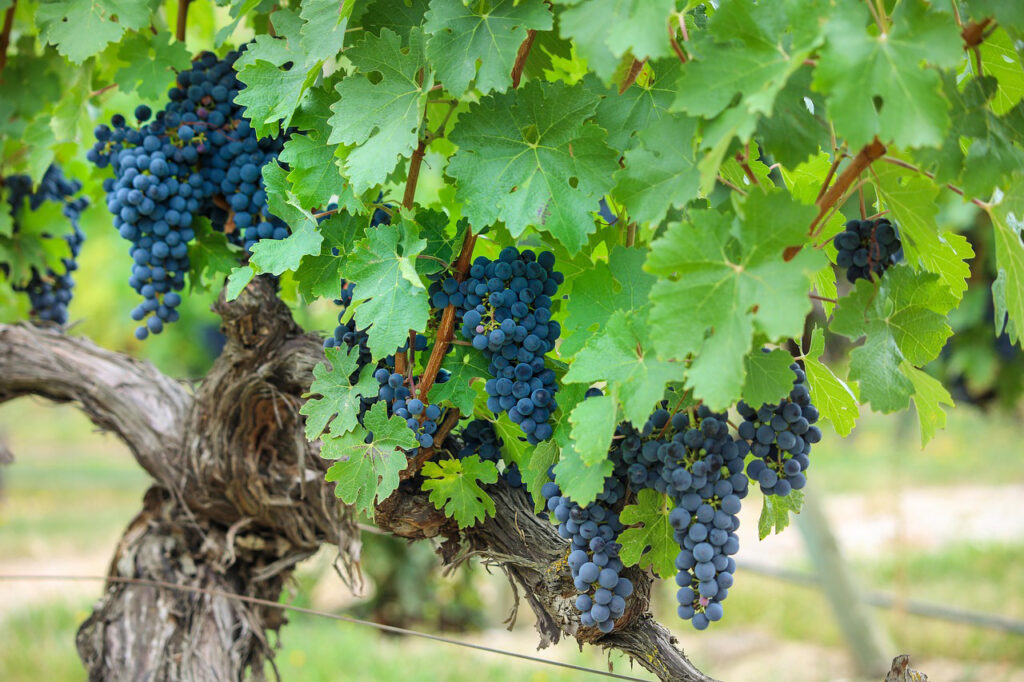
Most Rioja Crianza wines are based on Tempranillo, the signature grape variety of the region.
Tempranillo thrives in the climate and soils of Rioja, producing wines with moderate acidity, elegant tannins and excellent ageing potential.
Depending on the producer and style, Tempranillo may be blended with smaller proportions of other traditional Rioja varieties such as:
- Garnacha
- Graciano
- Mazuelo
These grapes can add structure, spice or aromatic lift to the final wine.
How Rioja Crianza Tastes
Rioja Crianza wines are often characterised by a harmonious balance between fruit and oak. Typical tasting notes include:
Fruit
- Red cherry
- Raspberry
- Plum
Oak influence
- Vanilla
- Coconut
- Sweet spice
Secondary notes
- Tobacco
- Leather
- Dried herbs
Compared with Reserva or Gran Reserva wines, Crianza Rioja typically shows brighter fruit and softer structure, making it particularly enjoyable in its youth.
When to Drink Rioja Crianza
One of the attractions of Rioja Crianza is that it is ready to drink soon after release, unlike longer-aged styles which may benefit from additional cellaring.
Most Crianza wines are best enjoyed within 3–8 years of the vintage. However, higher-quality examples from respected producers may continue to evolve for longer. Because of this accessibility, Crianza wines are often the Rioja style most commonly found in restaurants, wine bars and supermarkets.
Food Pairing with Rioja Crianza
The combination of lively fruit, moderate tannins and gentle oak makes Rioja Crianza extremely versatile at the table.
Classic pairings include:
Grilled meats
- Steak
- Lamb
- Pork
Spanish cuisine
- Tapas
- Chorizo
- Jamón
Everyday dishes
- Roast chicken
- Pasta with tomato sauces
- Hard cheeses
Crianza Rioja works particularly well with foods that have a balance of richness and savoury flavour.
Notable Producers of Rioja Crianza
Many respected wineries across Rioja produce excellent Crianza wines.
Examples include:
- CVNE (Compañía Vinícola del Norte de España)
- Bodegas Muga
- Marqués de Riscal
These producers demonstrate the range of styles possible within the Crianza category, from traditional oak-influenced wines to more modern, fruit-forward expressions.
Rioja Crianza: Excellent Value for Wine Drinkers
One of the reasons Rioja Crianza has remained so popular internationally is its consistent value for money. Because the ageing requirements are shorter than Reserva or Gran Reserva, Crianza wines can often be offered at more accessible prices while still delivering the signature character of Rioja.
For wine drinkers exploring the region, Crianza provides a reliable starting point before moving on to more mature styles.
Exploring Rioja Further
Reserva wines are just one part of the broader Rioja classification system. To explore the region in more detail, you may also find these guides useful:
- Rioja Wine – an introduction
- Rioja Reserva guide
- Rioja Gran Reserva explained
- Best Rioja wines available in the UK
Together these pages provide a deeper understanding of the styles, producers and traditions that have made Rioja one of the world’s most celebrated wine regions.
FAQs
What does Rioja Crianza mean?
Rioja Crianza refers to a wine classification that indicates the wine has been aged for at least two years, including a minimum of 12 months in oak barrels.
How long is Rioja Crianza aged?
Red Rioja Crianza wines must be aged for at least two years before release, with at least one year spent in oak barrels.
Is Rioja Crianza better than Reserva?
Rioja Crianza is not necessarily better than Reserva. Crianza wines are younger and more fruit-forward, while Reserva wines are aged longer and usually show greater complexity.
What does Rioja Crianza taste like?
Rioja Crianza typically shows flavours of cherry, plum and red berries, combined with notes of vanilla, spice and light oak from barrel ageing.
How long can Rioja Crianza age?
Most Rioja Crianza wines are best enjoyed within 3–8 years of the vintage, although high-quality examples may age longer.
What foods pair with Rioja Crianza?
Rioja Crianza pairs well with grilled meats, lamb, tapas, roast chicken and hard cheeses thanks to its balanced acidity and moderate tannins.
Final Thoughts
Rioja Crianza occupies an important place in the identity of the region. It combines traditional ageing practices with vibrant fruit character, offering wines that are both approachable and expressive of place.
For casual wine drinkers, Crianza Rioja offers an easy introduction to the region. For more experienced enthusiasts and professionals, it represents a style where winemaking choices, grape quality and terroir can still shine through.
Whether enjoyed with food or on its own, a well-made Rioja Crianza remains one of the most dependable and satisfying wines available today.