
Rioja Wine
Whether you are a wanting to know what’s the best wine to buy from your local wine merchant, or you are a serious wine tourist planning a tour of the Rioja wine region, or simply a holiday maker to Spain wanting to get the most out of the local food and wine, a little knowledge about the wines of Rioja will stand you in good stead. For many people, Rioja is simply a good quality red wine. Which of course it is. But it is also so much more. It could be a rich and complex 15 year old Rioja Gran Reserva. Or it could be a light and fresh Rioja Joven, fresh from the latest harvest (“joven” means young). Or it could be a fruity white, or rose. When it comes down to it, Rioja offers a rich and complex range of wines to suit any palate, and offers so much more than the average supermarket red.

Table of Contents[Hide][Show]
Featured Rioja Wines – Buy Now!
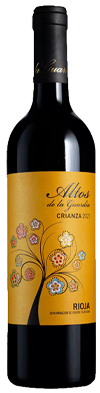
Altos de la Guardia Crianza Rioja 2021
Over the last five vintages this Crianza has won Trophy for ‘Best Red over £10’ plus 14 Golds.
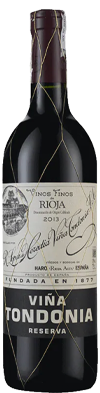
López de Heredia Viña Tondonia Tinto Reserva 2013
An impressive red wine from Rioja icon López de Heredia. Awarded 96 points by Tim Atkin, this is a true Reserva legend.
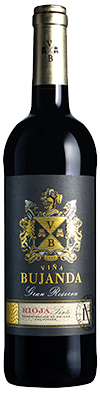
Viña Bujanda Gran Reserva Rioja 2016
Bujanda made Wine Spectator’s top 50 wineries list nine years running.
Types of Rioja wine
Rioja is best known for its red wines, but the region also produces white and rosé wines in a variety of styles.
Red Rioja (tinto) is commonly based on Tempranillo, often blended with grapes such as Garnacha, Graciano or Mazuelo. Styles range from fresh, fruit-led wines intended for early drinking to more structured wines matured for years in oak and bottle.
White Rioja (blanco) is made from permitted white varieties, including Viura, Garnacha Blanca and Tempranillo Blanco. Some are fresh and unoaked, while others undergo fermentation or ageing in oak, producing richer, more complex styles.
Rosé Rioja (rosado) can be fresh, aromatic and fruit-driven, although oak-aged examples are also produced. Its colour and flavour depend on the grapes and winemaking methods used.
Rioja ageing classifications
Rioja’s traditional ageing categories specify minimum maturation periods. For red wines, these include:
- Crianza: At least two years’ ageing, including a minimum of one year in oak barrels.
- Reserva: At least three years’ ageing, including a minimum of one year in oak and at least six months in bottle.
- Gran Reserva: At least five years’ ageing, including a minimum of two years in oak and two years in bottle.
White and rosé wines have different ageing requirements. The classification indicates how a wine has been matured; it does not, by itself, guarantee that one bottle will be better than another.
For the full requirements, including the white and rosé categories, see our Rioja Wine Classification guide.
Each type of Rioja wine will have its own distinct flavour profile and characteristics, with the aging process having a significant impact on the final product. Then of course, there is the question of the oak barrel. Not all barrels are created equal! And to say that wine is aged in oak is to tell only half the story.
The commonest types of oak barrels used in the Rioja region are American oak, although there is also increasing use of French oak. They each impart a different flavour to the wine. American oak is widely used and generally thought to arise from Spain’s connection with the discovery of the New World. This oak imparts more of a vanilla or caramel flavour to the wine, whereas wine aged in French oak will have spicier notes.
Another consideration is the age of the barrels, and many Rioja producers will only use barrels that have already been aged for a considerable time.


Further distinctions can be made, for those with a deep interest in the wine, and a good palate. Because the Rioja wine region, as well as being split between 3 different municipalities (La Rioja, Basque Country and Navarra), can be divided into 3 different wine areas – Rioja Alavesa, Rioja Alta, and Rioja Oriental.
The distinction here is based on the geography – the different geographical characteristics of the land in these 3 areas giving a different flavour to the wines.

Towns of the Rioja wine region
Rioja Alavesa (Basque Country)
- Laguardia
- Elciego/Eltziego
- Labastida/Bastida
- Samaniego
- Paganos
Rioja Alta (La Rioja unless otherwise stated)
How Rioja wine is made
The method for making Rioja wine can be summarised as follows:
- Firstly, grapes are harvested by hand or machine, depending on the winery, at the optimal ripeness level.
- The grapes are then crushed and destemmed in order to separate the juice from the solids.
- The juice is then fermented in stainless steel tanks or wooden vats. Depending on the style of wine being produced, the fermentation process can last anywhere from several days to several weeks.
- After fermentation, the wine is aged in oak barrels, and the winery will decide the time aging depending on the style they want.
- After aging, the wine is blended if necessary and then bottled. Some Rioja wines are aged for several more years in the bottle before they are released for sale.
After being released for sale, many rioja wines – particularly a Reserve or Gran Reserva – can be laid down for many years, and will improve with age. It’s always a good idea, when buying rioja, to ask the producer how long they would recommend the particular wine can be stored.
What to eat with Rioja wine
There are many types of food that pair well with Rioja, including:
- Meat dishes: Rioja is a great match for grilled meats like steak, lamb, and pork. Its fruitiness complements the savoriness of the meat and its tannins help to cut through the fat.
- Cheese: Rioja’s acidity pairs well with hard, nutty cheeses like manchego or cheddar, and its tannins can help to soften the saltiness of blue cheese.
- Casseroles and stews: The rich fruitiness and moderate tannins of Rioja can complement the flavours of casseroles and stews, making it a great wine to serve with dishes like beef bourguignon or coq au vin.
- Tapas: Rioja’s versatility makes it a great choice for pairing with a variety of Spanish tapas dishes, such as tortilla, croquetas, or patatas bravas. Often you will see Joven or Crianza being sold in the bars of rioja to accompany the tapas/pinchos.
- Chocolate: Rioja’s tannins help to balance the sweetness of chocolate and highlights the fruity notes of the wine. And what could be more perfect than a glass of rioja and a bar of dark rich chocolate?!!
Venison Burger Recipe
It’s also worth noting that Rioja comes in many different styles, from young and fruity to aged and complex, so the type of food you pair with it will depend on the style of the Rioja you’re drinking. If you are in a bar or restaurant in the Rioja region it is always a good idea to ask the serving staff for advice on which wine will be best suited to your food choice.