Few wine regions in the world have a classification structure as widely recognised as that of Rioja. For decades, the region has used a system based primarily on ageing requirements, allowing consumers to understand how long a wine has matured before release.
These classifications — Crianza, Reserva and Gran Reserva — help communicate a wine’s likely style, complexity and level of maturity. For wine drinkers exploring Rioja, understanding this system is one of the easiest ways to navigate the region’s diverse range of wines.
This guide explains how the Rioja classification system works, what each category means, and how these styles differ in flavour, ageing potential and overall character.

What Is the Rioja Classification System?
The Rioja classification system categorises wines according to the minimum amount of time they must spend ageing in barrel and bottle before release.
This approach reflects Rioja’s long tradition of ageing wines in oak barrels, a practice that dates back to the nineteenth century when winemakers began adopting techniques inspired by Bordeaux. Today the classification system remains a defining feature of the Rioja region, helping maintain consistent standards while also shaping the distinctive character of Rioja wines.
The three most widely recognised red wine classifications are:
Each level requires progressively longer ageing periods.
Featured Rioja Wines – Buy Now!
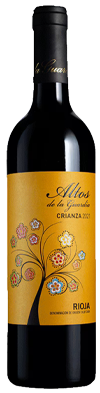
Altos de la Guardia Crianza Rioja 2021
Over the last five vintages this Crianza has won Trophy for ‘Best Red over £10’ plus 14 Golds.
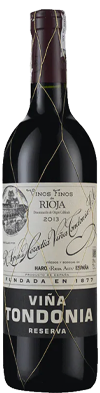
López de Heredia Viña Tondonia Tinto Reserva 2013
An impressive red wine from Rioja icon López de Heredia. Awarded 96 points by Tim Atkin, this is a true Reserva legend.
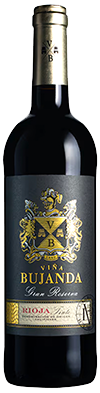
Viña Bujanda Gran Reserva Rioja 2016
Bujanda made Wine Spectator’s top 50 wineries list nine years running.
Rioja Ageing Requirements at a Glance
The table below summarises the minimum ageing rules for Rioja red wines.
Rioja Crianza
Crianza wines represent the youngest oak-aged category within the Rioja classification system. They must be aged for a minimum of two years, including at least one year in oak barrels. This shorter ageing period allows the wines to retain vibrant fruit character while still gaining subtle complexity from oak.
Crianza wines are often:
- Fresh and fruit-driven
- Smooth and approachable
- Excellent value
For many wine drinkers, Crianza Rioja provides an ideal introduction to the region.
Rioja Reserva
Reserva wines sit at the centre of the Rioja classification hierarchy, offering a balance between youthful fruit and the complexity that comes from extended ageing. Red Rioja Reserva wines must be aged for a minimum of three years before release, including at least one year in oak barrels.
Compared with Crianza wines, Reserva wines typically show:
- Greater concentration
- More integrated oak influence
- Additional savoury and spice notes
Many wine enthusiasts consider Reserva wines to represent the classic expression of Rioja.
Rioja Gran Reserva
Gran Reserva wines represent the highest traditional classification within Rioja’s ageing system. These wines must be aged for at least five years before release, including a minimum of two years in oak barrels and additional time maturing in bottle.
Because of the long ageing process involved, Gran Reserva wines are often produced only in the best vintages.
They typically show:
- Mature and complex aromas
- Soft, integrated tannins
- Exceptional ageing potential
Gran Reserva wines are among the most elegant and collectible bottles produced in Rioja.
Why Rioja Uses an Ageing-Based Classification
Unlike some wine regions that classify wines based primarily on vineyard location, Rioja has historically emphasised ageing as a marker of quality and style. There are several reasons for this approach.
First, oak ageing has long played a central role in the identity of Rioja wines. Time spent in barrel allows the wines to develop additional complexity while softening tannins.
Second, the classification system helps consumers quickly understand what style of wine they are purchasing, even if they are unfamiliar with specific producers or vineyards.
Finally, the system provides winemakers with a framework that supports consistency and quality across the Rioja region.

Modern Developments in Rioja Labelling
While ageing classifications remain central to Rioja’s identity, the region has also introduced new labelling categories in recent years to highlight vineyard origin and terroir.
These include:
- Vino de Zona (zone wines)
- Vino de Municipio (village wines)
- Viñedo Singular (single-vineyard wines)
These additions reflect a growing interest in expressing the unique characteristics of individual sites within Rioja. Even as these new designations gain prominence, the traditional ageing classifications remain widely recognised and continue to guide many consumers when selecting Rioja wines.
Choosing the Right Rioja Style
Each Rioja classification offers a different style and drinking experience.
Crianza wines are often ideal for everyday drinking, with bright fruit and gentle oak influence.
Reserva wines provide additional complexity and structure, making them well suited to pairing with food or ageing for several years.
Gran Reserva wines offer the most mature and layered expression of Rioja, often rewarding long cellaring and special occasions.
Understanding these distinctions allows wine drinkers to select a Rioja that suits both their taste preferences and the occasion.
Exploring Rioja Wines Further
The Rioja classification system provides a useful framework for exploring one of Spain’s most celebrated wine regions.
To continue discovering the wines of Rioja, you may also wish to explore:
- Our guide to the best Rioja wines available in the UK
- Detailed reviews of individual Rioja wines
- Producer profiles from leading Rioja wineries
Together these resources provide a deeper understanding of the styles, producers and traditions that define Rioja.
Final Thoughts
The Rioja classification system has played a central role in shaping the identity of the region’s wines for more than a century. By linking wine style to ageing requirements, it provides a clear and accessible way for consumers to understand the differences between Rioja wines.
From the fresh fruit of Crianza to the mature elegance of Gran Reserva, these classifications help capture the remarkable diversity of wines produced across Rioja.
For wine lovers and professionals alike, understanding this system is an essential step in appreciating the depth and character of Rioja.