Within the wines of Rioja, Rioja Reserva occupies an important middle ground between the youthful vibrancy of Crianza wines and the extended ageing of Gran Reserva bottlings.
Reserva wines are often considered the classic expression of Rioja. They combine the region’s hallmark fruit character with the complexity that develops through extended ageing in oak barrels and bottle. The result is a style of wine that balances structure, elegance and approachability.
For many wine lovers, Rioja Reserva offers the ideal combination of maturity and drinkability. These wines frequently deliver impressive depth and character while remaining widely available and comparatively affordable.
This guide explains what Rioja Reserva means, how it is aged, and why it continues to be one of the most respected and popular classifications from Rioja.
What Does “Rioja Reserva” Mean?
In Rioja, wine classifications are based on minimum ageing requirements rather than specific grape varieties or vineyard designations.
The term Reserva indicates that a wine has been matured for a longer period before release than a Crianza wine, allowing additional time for complexity and integration to develop. For a red wine to be labelled Rioja Reserva, it must be aged for:
- A minimum of three years in total
- At least 12 months in oak barrels
- Additional maturation in bottle before release
Many producers choose to age Reserva wines even longer than the minimum requirements, particularly in high-quality vintages. The result is a wine that typically shows greater depth, structure and harmony than younger Rioja styles.

Rioja’s Ageing Classification System
Rioja is one of the few wine regions in the world where ageing classifications are formally regulated and widely recognised by consumers.
The traditional hierarchy includes:
- Crianza – minimum 2 years ageing (including 1 year in oak)
- Reserva – minimum 3 years ageing
- Gran Reserva – minimum 5 years ageing
Within this system, Reserva wines represent the classic balanced style of Rioja, offering a more developed profile than Crianza while retaining more freshness than long-aged Gran Reserva wines.
Because of this balance, Reserva wines are often considered the most versatile category within the Rioja classification system.
The Grapes Used in Rioja Reserva
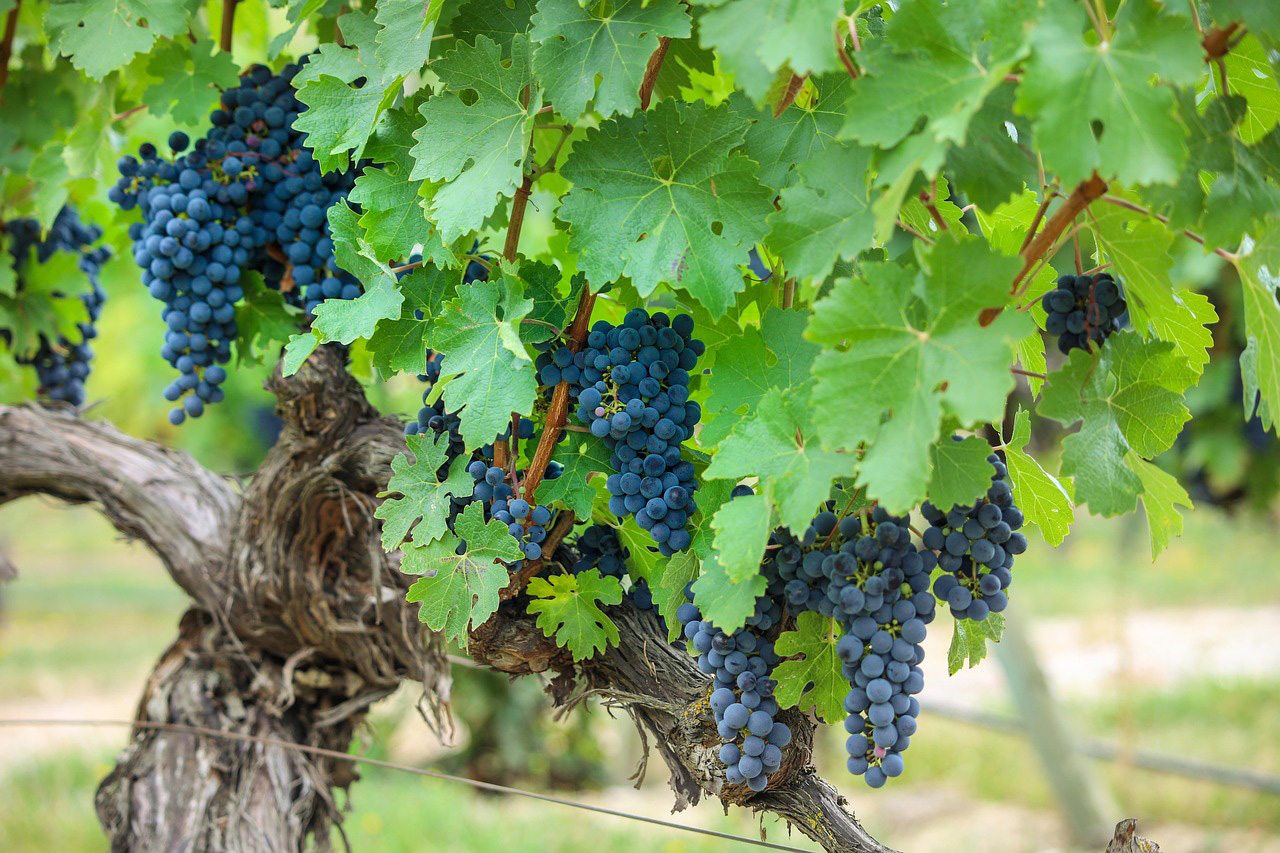
Most Rioja Reserva wines are produced primarily from Tempranillo, the dominant grape variety in Rioja. Tempranillo is well suited to oak ageing thanks to its moderate acidity, refined tannins and ability to develop complex aromas over time.
Many producers blend Tempranillo with smaller amounts of other traditional Rioja grape varieties, such as:
- Garnacha
- Graciano
- Mazuelo
These varieties contribute additional structure, spice or freshness to the final blend, depending on the winemaker’s style.
What Does Rioja Reserva Taste Like?
Rioja Reserva wines typically show a balance between ripe fruit and the savoury complexity that develops through ageing. Common flavour characteristics include:
Fruit
- Ripe cherry
- Plum
- Blackberry
Oak influence
- Vanilla
- Cedar
- Sweet baking spices
Developed notes
- Leather
- Tobacco
- Dried herbs
Compared with Crianza wines, Reserva wines often display greater concentration and complexity, while still maintaining vibrant fruit and smooth tannins.
When to Drink Rioja Reserva
Rioja Reserva wines are usually released with several years of ageing already completed, meaning they are generally ready to drink upon release. However, many examples can continue to evolve beautifully in the bottle.
Typical drinking window:
5–15 years from the vintage
Higher-quality wines from leading producers may develop additional complexity over longer periods, particularly when stored under proper cellar conditions.
Food Pairing with Rioja Reserva
Rioja Reserva is widely regarded as one of the most food-friendly styles of red wine. The combination of balanced acidity, moderate tannins and integrated oak allows it to complement a wide range of dishes. Serve it with roast lamb for a traditional experience, but because of its adaptability, it can also be served with dishes that include aged cheeses or roasted vegetables.
Classic pairings include:
Roast meats
- Lamb
- Beef
- Pork
Spanish cuisine
- Tapas
- Chorizo
- Slow-cooked stews
Everyday dishes
- Roast chicken
- Mushroom-based dishes
- Aged cheeses
The structure of Reserva wines makes them particularly well suited to savoury dishes with depth of flavour.
Notable Producers of Rioja Reserva
Rioja Reserva wines are produced by numerous reputable wineries. Historic, traditional homes with a reputation for long-aging, such as La Rioja Alta, López de Heredia, Muga, and Marqués de Murrieta, are notable producers of Rioja Reserva. Marqués de Riscal, CVNE, Remelluri, and Artadi are additional elite producers. Tempranillo-based wines with well-balanced oak and tertiary notes are the main focus of these estates.
These producers represent different stylistic interpretations of Rioja, ranging from traditional oak-driven wines to more modern, fruit-forward expressions.
Rioja Reserva: A Classic Style with Broad Appeal
One of the reasons Rioja Reserva wines remain so popular is their balance between maturity and freshness.
They offer:
- More complexity than Crianza wines
- Greater accessibility than many Gran Reserva wines
- Reliable quality across a wide range of producers
For wine drinkers seeking a refined but approachable expression of Rioja, Reserva wines often represent the ideal choice.
Exploring Rioja Further
Reserva wines are just one part of the broader Rioja classification system. To explore the region in more detail, you may also find these guides useful:
- Rioja Wine – an introduction
- Rioja Crianza guide
- Rioja Gran Reserva explained
- Best Rioja wines available in the UK
Together these pages provide a deeper understanding of the styles, producers and traditions that have made Rioja one of the world’s most celebrated wine regions.
FAQs
What is Rioja Reserva?
Rioja Reserva is a wine classification that indicates the wine has been aged for at least three years before release, including a minimum of one year in oak barrels.
How long is Rioja Reserva aged?
Red Rioja Reserva wines must be aged for a minimum of three years, with at least 12 months in oak barrels and additional bottle ageing before release.
Is Rioja Reserva better than Crianza?
Rioja Reserva wines are typically more complex and structured than Crianza wines because they spend longer ageing in both oak and bottle.
What does Rioja Reserva taste like?
Rioja Reserva wines usually show flavours of ripe red fruit, plum and blackberry combined with vanilla, cedar and spice from oak ageing.
How long can Rioja Reserva age?
Many Rioja Reserva wines can age well for 10–15 years depending on the vintage and producer.
What food pairs with Rioja Reserva?
Rioja Reserva pairs well with roast lamb, grilled beef, game dishes and aged cheeses.
Final Thoughts
Rioja Reserva captures the essence of the region’s winemaking tradition. With extended ageing, balanced structure and expressive fruit, these wines reflect the craftsmanship and heritage that define Rioja.
For casual wine drinkers, Rioja Reserva offers a reliable step up in complexity. For more experienced enthusiasts and professionals, it provides a fascinating expression of how time, oak and terroir interact in the cellar.
Whether enjoyed with food or cellared for further development, Rioja Reserva remains one of the most satisfying and versatile wines produced in Rioja.